
Cardiologist in Kutno
Heart palpitations, shortness of breath with exertion that did not cause problems before, or blood pressure that does not seem to stabilize? Schedule a cardiology consultation at the Różan Medical Center. We perform an ECHO of the heart during the visit, and discuss the result immediately, together with a plan for further treatment.
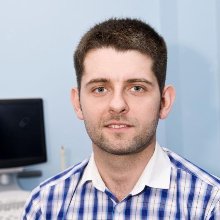
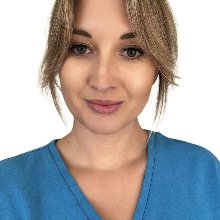



When it is worth reporting Go see a cardiologist
Heart-related symptoms are easy to attribute to stress, fatigue, or a worse form of the disease, which is why they are often dismissed. Below are situations in which it is worth scheduling an appointment with a cardiologist. If you recognize any of these in yourself, make an appointment.
The feeling of palpitations, accelerated heart rate, skipped beats, or brief pauses in rhythm are one of the most common reasons for consultations. Some of these sensations are harmless, but some are the result of rhythm disorders that require treatment; they can only be distinguished by examination. Since the symptoms usually appear in attacks and disappear before the visit, a holter test, which records the heart's activity around the clock, is crucial.
Shortness of breath with an activity that previously did not cause difficulties, the need to stop on the stairs, shortness of breath in the supine position or waking up at night with a feeling of lack of air are symptoms that should not be attributed to a lack of fitness alone. They require evaluation of the heart and lungs.
Pain in the bridge of the nose, especially when exerted and subsiding after rest, requires urgent cardiology evaluation. If the pain is severe, lasting longer than a few minutes, radiating to the arm, jaw or back, and accompanied by shortness of breath, sweating or weakness – do not postpone the visit; call the emergency services at 112 instead.
Elevated measurement results, pressure that does not normalize despite treatment, spikes in values throughout the day, morning headaches, and dizziness are indications for consultation. A common problem is also the difference between home and office measurements – a 24-hour blood pressure measurement resolves this.
An abnormality described in the ECG recording, a murmur detected during a medical examination, or the result of a test performed before the procedure or as part of occupational medicine require explanation. In many cases, the ECHO of the heart resolves these issues by showing the structure and function of the heart in real time.
Loss of consciousness, drowsiness, a shadow in front of the eyes upon waking, and dizziness with a feeling of irregular heartbeat may have a cardiological cause. These are symptoms that should not be taken lightly.
Heart disease in the family, elevated cholesterol, diabetes, being overweight, smoking cigarettes, and a condition following a heart attack, a cardiac procedure, or a diagnosed heart valve defect are situations that require periodic monitoring – even when you do not experience any symptoms.
Why it is worth using care services cardiology at RCM
The care is provided by a specialist cardiologist who performs the echocardiography examination himself. This is important because the ECHO of the heart is a procedure that depends on the person performing it – and when it is performed by a doctor who is familiar with your medical history and symptoms, the image is immediately interpreted in the appropriate context.
The examination is performed in the office, as part of the same visit as the consultation, at a price lower than separately. You don’t have to wait for weeks for an appointment or for a detailed description – the result is discussed immediately after the examination.
ECHO heart monitors, Holter ECG and Holter blood pressure monitors, and if necessary, carotid artery ultrasound and limb vascular doppler examination are performed by us. Thanks to this, you can collect all the tests needed to assess the cardiovascular system without having to wait for blood flow between the clinics.
You do not need a referral to get private consultations – you just need to book an appointment online or by phone. If you are not sure whether to book an individual consultation or a visit with ECHO Heart, please describe your situation over the phone and we will help you choose.
Services in the field of Cardiology
Opinions patients
See how patients rate the care in RCM.
I have been using RCM services for a very long time. The doctor led my pregnancy – with complete professionalism. She always answered all my questions with great pleasure. She is committed, yet very gentle and empathetic.
I highly recommend the clinic; the staff is always helpful. Dr. Ewa Szczepaniak is knowledgeable and a pleasant and warm person who never looks down on people.
I wholeheartedly recommend this medical center! From the very first moment you enter, you can see the professionalism and attention to detail. The visit was conducted in a very pleasant atmosphere, without unnecessary stress or delays. I will definitely return here if needed.
Friendly service and a clean, pleasant facility. The appointment time was adjusted to fit my work hours, and the whole process went quickly and stress-free.

Don't know which service to choose? Contact us!
During the consultation, the specialist will assess your situation, answer your questions, and suggest further steps. Book an appointment online or by phone.

On what it involves cardiology care
Cardiology deals with the diagnosis and treatment of heart and blood vessel diseases – from arterial hypertension and rhythm disorders, through coronary artery disease, to valvular defects and heart failure. During the consultation, the doctor collects a history, examines the patient, analyzes the results obtained so far and the medications taken, and then establishes a diagnosis or the scope of further diagnostics.
At the Różan Medical Center, we perform a full range of non-invasive diagnostics: heart echo, Holter ECG, Holter blood pressure monitoring, and vascular examinations. We treat patients with hypertension, arrhythmias, and chronic heart diseases, and in cases requiring invasive treatment, we refer them to the cardiology department and remain in contact during the follow-up.
Learn about the scope of care and cardiology research
Cardiology consultation
Cardiology consultation
During the consultation, the doctor collects a detailed history: about the symptoms and circumstances of their occurrence, physical fitness, coexisting illnesses, family history of heart disease, and medications being taken. Then he or she examines the patient – listens to the heart and lungs, measures blood pressure and pulse, and assesses edema – and analyzes the results of the tests provided.
Based on this information, they determine the diagnosis or recommend the tests needed to make a diagnosis. You receive a plan: pharmacological treatment, recommendations regarding home measurements and lifestyle, and the date of your next appointment. It is advisable to bring results from the last year, previous ECG records and descriptions of tests, a list of medications taken, and records of blood pressure measurements if you are taking them.
ECHO of the heart
ECHO of the heart
Echo-cardiacography is an ultrasound examination of the heart. It shows the size of the chambers, the thickness and tightness of the walls, the structure and function of the valves, blood flow, and the presence of fluid in the pericardial sac. It also allows for assessment of the ejection fraction, a measure of the heart's pumping capacity. This is a fundamental imaging test in cardiology and the most common way to diagnose a valvular defect, hypertrophy, or heart failure.
The examination is performed in a supine position on the left side, takes about twenty minutes and is completely painless. It requires no preparation or medication withdrawal. Since it is performed by a cardiologist, the result is discussed immediately – along with the decision on further action. If the examination has already been performed previously, bring the report with you; comparing the results over time says more than a single image alone.
Holter ECG
Holter ECG
Holter EKG is a study that involves continuous recording of the heart's activity over a period of time, using a small device worn on the body and electrodes attached to the chest. Its advantage is that it records heart activity during normal activity – even when symptoms appear that cannot be captured in a 5-minute ECG recording in the doctor's office.
We will place the device in your facility, and you will return to your daily activities, recording the time of onset of symptoms and activity – this list is very helpful when describing the situation. You should not take a bath while wearing the device. After returning the device, the recording is analyzed and described, and the result is discussed during the follow-up visit.
Holter pressure monitor
Holter pressure monitor
Holter pressure monitoring is an automatic measurement of pressure performed at regular intervals throughout the day, including at night. It shows the actual pressure profile: its fluctuations during the day, the response to effort and stress, and behavior during sleep when it should be lowered properly. This picture cannot be obtained from individual measurements.
The study also resolves two common situations: when the pressure is high only in the doctor’s office and when home measurements are correct despite the symptoms. We place the device in the clinic; the cuff fills up automatically, which is sometimes felt as pressure in the arm. On the day of the examination, it is advisable to continue with normal activity and record the hours of sleep and medication intake.
Hypertension
Hypertension
Hypertension for years does not cause any symptoms, yet it gradually burdens the heart, blood vessels, kidneys, and eyes. Diagnosis is based on repeated measurements rather than a single result – that is why we often use 24-hour blood pressure monitoring and evaluation of complications in the ECHO heart study during diagnosis.
We determine the treatment individually and verify it during follow-up visits, because choosing medications is a process, not a one-time decision. We also discuss practical issues: how and when to measure blood pressure at home, what values should prompt contact with a doctor, whether you plan to become pregnant, and what the importance of body weight, salt in the diet, and physical activity are. Regular check-ups allow us to detect the moment when current treatment no longer suffices.
Heart rhythm disorders
Heart rhythm disorders
Irregular rhythm disorders encompass a wide range of situations: from individual extrasystoles, usually harmless, to atrial fibrillation that requires treatment and assessment of the risk of stroke complications. The symptoms are often similar – palpitations, rapid heartbeat, weakness, dizziness – which is why the diagnosis is determined by an ECG recording or a holter monitor test, rather than by the description of the sensations alone.
We conduct diagnostics in stages: an ECG examination, a Holter ECG recording the heart’s activity during daily activity, and an ECHO of the heart to assess whether the arrhythmia has a heart structure-related cause. Based on this information, we determine the treatment and frequency of follow-up examinations, and in cases requiring invasive treatment, we refer to a cardiology center.
Prevention and control after treatment
Prevention and control after treatment
Heart diseases develop over years before showing symptoms; the biggest influence on their course is what is done earlier. Risk assessment is based on family history, lipid profile and glucose results, blood pressure, body mass index and lifestyle, and is complemented by imaging tests – echocardiography and ultrasound of the carotid arteries to detect the presence of atherosclerotic plaques.
A separate group consists of patients after a heart attack, after cardiac surgery, and with known valvular defects who require periodic monitoring at established intervals. During visits, we assess the effectiveness of treatment, repeat imaging tests, and check that the heart condition does not change – even when no symptoms are present.
Cardiology consultation
During the consultation, the doctor collects a detailed history: about the symptoms and circumstances of their occurrence, physical fitness, coexisting illnesses, family history of heart disease, and medications being taken. Then he or she examines the patient – listens to the heart and lungs, measures blood pressure and pulse, and assesses edema – and analyzes the results of the tests provided.
Based on this information, they determine the diagnosis or recommend the tests needed to make a diagnosis. You receive a plan: pharmacological treatment, recommendations regarding home measurements and lifestyle, and the date of your next appointment. It is advisable to bring results from the last year, previous ECG records and descriptions of tests, a list of medications taken, and records of blood pressure measurements if you are taking them.
ECHO of the heart
Echo-cardiacography is an ultrasound examination of the heart. It shows the size of the chambers, the thickness and tightness of the walls, the structure and function of the valves, blood flow, and the presence of fluid in the pericardial sac. It also allows for assessment of the ejection fraction, a measure of the heart's pumping capacity. This is a fundamental imaging test in cardiology and the most common way to diagnose a valvular defect, hypertrophy, or heart failure.
The examination is performed in a supine position on the left side, takes about twenty minutes and is completely painless. It requires no preparation or medication withdrawal. Since it is performed by a cardiologist, the result is discussed immediately – along with the decision on further action. If the examination has already been performed previously, bring the report with you; comparing the results over time says more than a single image alone.
Holter ECG
Holter EKG is a study that involves continuous recording of the heart's activity over a period of time, using a small device worn on the body and electrodes attached to the chest. Its advantage is that it records heart activity during normal activity – even when symptoms appear that cannot be captured in a 5-minute ECG recording in the doctor's office.
We will place the device in your facility, and you will return to your daily activities, recording the time of onset of symptoms and activity – this list is very helpful when describing the situation. You should not take a bath while wearing the device. After returning the device, the recording is analyzed and described, and the result is discussed during the follow-up visit.
Holter pressure monitor
Holter pressure monitoring is an automatic measurement of pressure performed at regular intervals throughout the day, including at night. It shows the actual pressure profile: its fluctuations during the day, the response to effort and stress, and behavior during sleep when it should be lowered properly. This picture cannot be obtained from individual measurements.
The study also resolves two common situations: when the pressure is high only in the doctor’s office and when home measurements are correct despite the symptoms. We place the device in the clinic; the cuff fills up automatically, which is sometimes felt as pressure in the arm. On the day of the examination, it is advisable to continue with normal activity and record the hours of sleep and medication intake.
Hypertension
Hypertension for years does not cause any symptoms, yet it gradually burdens the heart, blood vessels, kidneys, and eyes. Diagnosis is based on repeated measurements rather than a single result – that is why we often use 24-hour blood pressure monitoring and evaluation of complications in the ECHO heart study during diagnosis.
We determine the treatment individually and verify it during follow-up visits, because choosing medications is a process, not a one-time decision. We also discuss practical issues: how and when to measure blood pressure at home, what values should prompt contact with a doctor, whether you plan to become pregnant, and what the importance of body weight, salt in the diet, and physical activity are. Regular check-ups allow us to detect the moment when current treatment no longer suffices.
Heart rhythm disorders
Irregular rhythm disorders encompass a wide range of situations: from individual extrasystoles, usually harmless, to atrial fibrillation that requires treatment and assessment of the risk of stroke complications. The symptoms are often similar – palpitations, rapid heartbeat, weakness, dizziness – which is why the diagnosis is determined by an ECG recording or a holter monitor test, rather than by the description of the sensations alone.
We conduct diagnostics in stages: an ECG examination, a Holter ECG recording the heart’s activity during daily activity, and an ECHO of the heart to assess whether the arrhythmia has a heart structure-related cause. Based on this information, we determine the treatment and frequency of follow-up examinations, and in cases requiring invasive treatment, we refer to a cardiology center.
Prevention and control after treatment
Heart diseases develop over years before showing symptoms; the biggest influence on their course is what is done earlier. Risk assessment is based on family history, lipid profile and glucose results, blood pressure, body mass index and lifestyle, and is complemented by imaging tests – echocardiography and ultrasound of the carotid arteries to detect the presence of atherosclerotic plaques.
A separate group consists of patients after a heart attack, after cardiac surgery, and with known valvular defects who require periodic monitoring at established intervals. During visits, we assess the effectiveness of treatment, repeat imaging tests, and check that the heart condition does not change – even when no symptoms are present.
What the consultation looks like and cardiology research
From booking the appointment to the check-up after the procedure, we guide you through a clear and calm path. At every stage, you know what will happen and what you can expect.
Make an appointmentMake an appointment
Book an appointment online through the booking system on the website or by phone at +48 604 451 759. Bring your test results, previous ECG records and descriptions of cardiac tests, as well as a list of medications you are taking to the visit. If you don’t know whether to schedule a consultation with ECHO Heart, ask by phone.
Call: (+48) 604 451 759Consultation and examination
The doctor takes a history, examines you, analyzes the results so far, and if necessary, performs an ECHO of the heart during the same visit and immediately discusses the results.
Supplementary diagnostics
If symptoms appear in attacks or the pressure requires 24-hour monitoring, we recommend using a Holter ECG or Holter pressure monitor. You wear the device throughout the day while performing normal activities, then return it to the facility.
Treatment and control
You will receive a treatment plan and recommendations regarding home measurements. At the follow-up visit, we discuss the test results, assess the effectiveness of the therapy, and modify it if necessary.
Check the advice, which we have prepared
Frequently asked questions
Answers to the questions that patients most often ask before a cardiology visit. In individual cases, the evaluation by the doctor always determines the decision.
No. We provide cardiology consultations at the Rozan Medical Center on a private basis, so a referral is not necessary – you just need to book an appointment online or by phone. Bring along your previous ECG records, descriptions of cardiac tests, and a list of medications you are taking.
Yes. You schedule the examination along with the consultation, at the same time and at a lower price than separately. It is performed by a cardiologist, so the picture is immediately related to your symptoms and results, and the result is discussed directly after the examination.
The test does not require any special preparation. On the day of the procedure, it is advisable to wear a loose shirt that can be buttoned on the front. Men are advised to shave their chest area at the places where the electrodes are attached. During the day of the procedure, you should not take a bath, and you should continue taking your medications as usual, unless your doctor advises otherwise.
Yes, heart disease requires periodic monitoring, which is why we keep our patients on a long-term basis, with visits at regular intervals. We also work with insurers — PZU, Lux Med, Medicover, Compensa, Świat Zdrowia, Polmed, Enel-Med, Signal Iduna, JP Medica — and the scope of services depends on the terms of the policy.

Take the first step – make an appointment The Pink Medical Center
Choose a specialist and a convenient date. Book online or by phone, without unnecessary formalities. Take care of your health today!