
Diabetologist in Kutno
High glucose levels in test results, insulin resistance and difficulty in losing weight, or perhaps diabetes whose treatment has stopped working? Schedule a diabetes consultation at the Różan Medical Center. We analyze the current results, establish a treatment plan, and guide you to the same specialist.





When it is worth reporting Go to the diabetologist
Diabetes for a long time does not give any obvious symptoms, which is why it is often only detected by chance or only when complications arise. Below are situations in which it is worth arranging an appointment with a diabetologist. If you recognize any of these in yourself, make an appointment.
A fasting glucose level above the norm, an abnormal curve or elevated glycated hemoglobin are signs that you should not stop repeating the test for a year. The diabetologist interprets the result in the context of body weight, blood pressure, lipid profile and family history, and then determines whether it is still prediabetes or diabetes, and what course of action makes sense at this stage.
Increased thirst, frequent urination, recurring urinary tract infections, chronic fatigue, drowsiness after meals, impaired vision, or unintentional weight loss may indicate carbohydrate metabolism disorders. These symptoms are easily attributed to fatigue, so it is worth checking them with a test.
If despite taking medications, the glycemic results remain outside the range, either the sugar levels drop or the current treatment no longer suffices; the treatment plan needs to be modified. This is a typical moment when it is worth consulting a specialist instead of waiting for the next check-up in six months.
Excess weight, abdominal obesity, polycystic ovary syndrome, difficulty losing weight despite dieting, and drowsiness and hunger attacks after meals are the most common reasons for diagnosis of insulin resistance and prediabetes. Early detection provides a real chance to stop the development of diabetes.
Obesity is a chronic disease, not a matter of strong willpower; as with any chronic disease, treatment must be conducted by a doctor. Subsequent diets that end in a return to the starting point, weight gain despite efforts, drowsiness and hunger pangs after meals, as well as the diseases associated with obesity such as hypertension, insulin resistance or lipid disorders, are indications for consultation. The treatment is determined individually after diagnosis – it includes dietary management, activity adapted to the individual’s capabilities and, if indicated, pharmacotherapy.
Family history of diabetes, previous gestational diabetes, age over forty-five years, hypertension and lipid disorders increase the risk of developing the disease. In such situations, screening tests and consultation are still worthwhile even if you do not experience any symptoms.
Pain and burning in the feet, slower wound healing, recurring skin infections, impaired vision, or abnormal kidney tests in a person with diabetes require evaluation by a specialist. The diabetologist determines the scope of control tests and indicates which complications require urgent diagnosis.
Why it is worth using care services Diabetic endocrinology at RCM
The consultation is conducted by a doctor with a specialty in diabetology, who is responsible for both the diagnosis of diabetes and the long-term management of patients – from pre-diabetes, through type 2 diabetes, to insulin therapy.
Diabetes is not just one visit; it’s a treatment plan for years to come. You return to the same doctor who knows your previous results and knows what you’ve already tried – you don’t have to tell the story of your illness from scratch every time.
Diabetes rarely occurs on its own. Under one roof, you can consult with a cardiologist, endocrinologist, dermatologist, or gynecologist and undergo an ultrasound of the abdominal cavity, thyroid, and a doppler test of the blood vessels – without having to visit multiple other clinics.
You do not need a referral to private consultations – you just need to book an appointment online or by phone. If you are not sure whether you need a diabetologist or an internist, please describe your situation over the phone and we will help you choose.
Our diabetologist holds the certificate of the Polish Obesity Treatment Society, confirming his/her skills in treating obesity. This means treatment conducted in accordance with current guidelines – with an assessment of the underlying causes, evaluation of complications, and a plan written out for months, rather than a set of general recommendations.
Services in the field of diabetes
Opinions patients
See how patients rate the care in RCM.
I have been using RCM services for a very long time. The doctor led my pregnancy – with complete professionalism. She always answered all my questions with great pleasure. She is committed, yet very gentle and empathetic.
I highly recommend the clinic; the staff is always helpful. Dr. Ewa Szczepaniak is knowledgeable and a pleasant and warm person who never looks down on people.

I wholeheartedly recommend this medical center! From the very first moment you enter, you can see the professionalism and attention to detail. The visit was conducted in a very pleasant atmosphere, without unnecessary stress or delays. I will definitely return here if needed.
Friendly service and a clean, pleasant facility. The appointment time was adjusted to fit my work hours, and the whole process went quickly and stress-free.

Don't know which service to choose? Contact us!
During the consultation, the specialist will assess your situation, answer your questions, and suggest further steps. Book an appointment online or by phone.
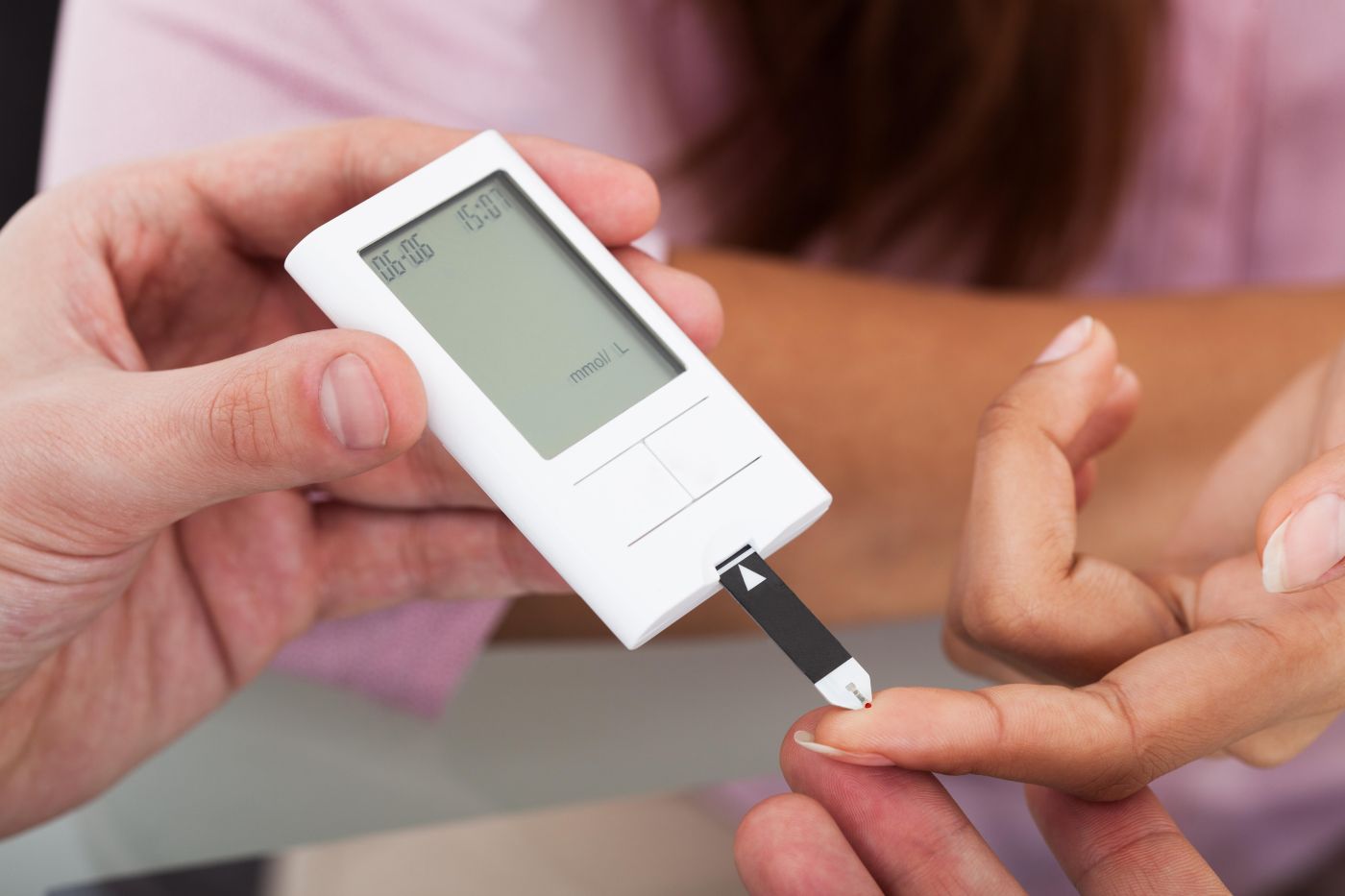
On what It consists of diabetic care
Diabetology deals with the diagnosis and treatment of diabetes and other disorders of carbohydrate metabolism. During consultations, the doctor collects a history, analyzes the results of previous tests and medications used, assesses risk factors, and on this basis establishes the diagnosis and a treatment plan.
At the Różan Medical Center, we treat patients with prediabetes, type 2 and type 1 diabetes, insulin resistance, and diabetes diagnosed during pregnancy. Treatment includes the selection of therapy, recommendations regarding nutrition and activity, education on self-monitoring, and regular follow-up visits.
Get to know the scope of diabetic care
Consultation with a diabetologist – first visit
Consultation with a diabetologist – first visit
The first visit serves to establish the starting point. The doctor analyzes the test results, family history, previous treatment and lifestyle, assesses risk factors and the presence of complications. Based on this, he or she makes a diagnosis: prediabetes, type 1 or 2 diabetes, insulin resistance, or indicates tests that will confirm it.
The result of the visit is a concrete plan: pharmacological treatment, recommendations regarding nutrition and activity, principles of self-monitoring, and the date of the next visit. It is worth bringing with you the results from the last year and a list of medications you are taking – the more complete the picture, the more accurate the decisions already at the first meeting.
Management of type 2 diabetes
Management of type 2 diabetes
Type 2 diabetes develops over many years and for a long time does not cause any symptoms. Its treatment requires periodic adjustments. Over time, the need for medication changes, co-morbidities appear, and the regimen that worked for years no longer suffices.
We guide patients through a regular schedule of follow-up visits: we assess hemoglobin A1c and home measurements, modify the treatment, monitor blood pressure, lipids, and kidney parameters. We also discuss practical issues—such as eating, how to react to high and low values, and what to do in case of illness or during travel.
Prediabetes and insulin resistance
Prediabetes and insulin resistance
Prediabetes means that the glucose level is already abnormal, but it does not yet meet the criteria for diabetes diagnosis. This is the moment when the most can be done – appropriately implemented changes and treatment can delay or stop the development of the disease.
The same applies to insulin resistance, which often accompanies abdominal obesity and polycystic ovary syndrome. We determine the scope of the tests, discuss real changes in daily eating and activity patterns, and, in justified cases, include pharmacological treatment. Control is crucial – without it, it is easy to overlook the moment when pre-diabetes turns into diabetes.
Type 1 diabetes and insulin therapy
Type 1 diabetes and insulin therapy
Type 1 diabetes requires insulin therapy from the time of diagnosis, but insulin is also sometimes needed in advanced type 2 diabetes when oral medications become insufficient. For many patients, this is the most difficult decision in the entire treatment – and the one most often postponed.
The doctor's task is to administer it calmly: select the regimen, explain the dosing rules, teach how to recognize and treat malnutrition, and determine how to modify the doses when changing meals and activity levels. Subsequent visits are used to adjust the treatment to actual measurements.
Gestational diabetes
Gestational diabetes
Gestational diabetes is most often detected during a glucose load test performed in the second trimester. It requires rapid intervention because the health of two people is at stake, and the time for a response is limited.
Care includes establishing dietary recommendations, teaching self-monitoring of blood glucose levels, and – if diet is insufficient – including insulin therapy that is safe during pregnancy. This is carried out in parallel with gynecological and obstetric care, which we also provide at the Różan Medical Center. After delivery, we recommend follow-up examinations for diabetes.
Control of complications of diabetes
Control of complications of diabetes
The most serious effects of diabetes affect the blood vessels, kidneys, eyes, and peripheral nerves, and they develop over the years before giving symptoms. Therefore, diabetes treatment is not only about balancing blood glucose levels, but also about regular follow-up examinations for any complications.
During visits, we determine the schedule for such examinations and interpret their results. Some of them are performed on-site – abdominal ultrasound, doppler examination of the vessels of the limbs and carotid arteries, cardiology consultation with ECHO heart monitoring, and if necessary, we refer you to an ophthalmologist or another specialist.
Treatment of obesity disease
Treatment of obesity disease
Obesity is a chronic disease that increases the risk of type 2 diabetes, hypertension, heart disease, fatty liver disease, sleep apnea, and osteoarthritis. Treatment begins with diagnosis and determination of the underlying causes – therefore the first visit includes an interview, an assessment of previous attempts to reduce body weight, an analysis of test results, and a check to see if there are any hormonal or metabolic disorders requiring separate treatment.
Based on this, a plan is created that includes dietary management, activity adapted to abilities and co-existing diseases, and – if indicated and there are no contraindications – pharmacotherapy, conducted under the supervision of a physician. Key are the follow-up visits: treating obesity takes months and requires correction along the way. In justified cases, we also discuss indications for surgical treatment and refer to a bariatric center.
Consultation with a diabetologist – first visit
The first visit serves to establish the starting point. The doctor analyzes the test results, family history, previous treatment and lifestyle, assesses risk factors and the presence of complications. Based on this, he or she makes a diagnosis: prediabetes, type 1 or 2 diabetes, insulin resistance, or indicates tests that will confirm it.
The result of the visit is a concrete plan: pharmacological treatment, recommendations regarding nutrition and activity, principles of self-monitoring, and the date of the next visit. It is worth bringing with you the results from the last year and a list of medications you are taking – the more complete the picture, the more accurate the decisions already at the first meeting.
Management of type 2 diabetes
Type 2 diabetes develops over many years and for a long time does not cause any symptoms. Its treatment requires periodic adjustments. Over time, the need for medication changes, co-morbidities appear, and the regimen that worked for years no longer suffices.
We guide patients through a regular schedule of follow-up visits: we assess hemoglobin A1c and home measurements, modify the treatment, monitor blood pressure, lipids, and kidney parameters. We also discuss practical issues—such as eating, how to react to high and low values, and what to do in case of illness or during travel.
Prediabetes and insulin resistance
Prediabetes means that the glucose level is already abnormal, but it does not yet meet the criteria for diabetes diagnosis. This is the moment when the most can be done – appropriately implemented changes and treatment can delay or stop the development of the disease.
The same applies to insulin resistance, which often accompanies abdominal obesity and polycystic ovary syndrome. We determine the scope of the tests, discuss real changes in daily eating and activity patterns, and, in justified cases, include pharmacological treatment. Control is crucial – without it, it is easy to overlook the moment when pre-diabetes turns into diabetes.
Type 1 diabetes and insulin therapy
Type 1 diabetes requires insulin therapy from the time of diagnosis, but insulin is also sometimes needed in advanced type 2 diabetes when oral medications become insufficient. For many patients, this is the most difficult decision in the entire treatment – and the one most often postponed.
The doctor's task is to administer it calmly: select the regimen, explain the dosing rules, teach how to recognize and treat malnutrition, and determine how to modify the doses when changing meals and activity levels. Subsequent visits are used to adjust the treatment to actual measurements.
Gestational diabetes
Gestational diabetes is most often detected during a glucose load test performed in the second trimester. It requires rapid intervention because the health of two people is at stake, and the time for a response is limited.
Care includes establishing dietary recommendations, teaching self-monitoring of blood glucose levels, and – if diet is insufficient – including insulin therapy that is safe during pregnancy. This is carried out in parallel with gynecological and obstetric care, which we also provide at the Różan Medical Center. After delivery, we recommend follow-up examinations for diabetes.
Control of complications of diabetes
The most serious effects of diabetes affect the blood vessels, kidneys, eyes, and peripheral nerves, and they develop over the years before giving symptoms. Therefore, diabetes treatment is not only about balancing blood glucose levels, but also about regular follow-up examinations for any complications.
During visits, we determine the schedule for such examinations and interpret their results. Some of them are performed on-site – abdominal ultrasound, doppler examination of the vessels of the limbs and carotid arteries, cardiology consultation with ECHO heart monitoring, and if necessary, we refer you to an ophthalmologist or another specialist.
Treatment of obesity disease
Obesity is a chronic disease that increases the risk of type 2 diabetes, hypertension, heart disease, fatty liver disease, sleep apnea, and osteoarthritis. Treatment begins with diagnosis and determination of the underlying causes – therefore the first visit includes an interview, an assessment of previous attempts to reduce body weight, an analysis of test results, and a check to see if there are any hormonal or metabolic disorders requiring separate treatment.
Based on this, a plan is created that includes dietary management, activity adapted to abilities and co-existing diseases, and – if indicated and there are no contraindications – pharmacotherapy, conducted under the supervision of a physician. Key are the follow-up visits: treating obesity takes months and requires correction along the way. In justified cases, we also discuss indications for surgical treatment and refer to a bariatric center.
How it looks like a diabetes consultation
From booking an appointment to the follow-up check-up after the procedure, we guide you through a clear and calm path. At every stage, you know what will happen and what you can expect.
Make an appointmentMake an appointment
Book an appointment online through the booking system on the website or by phone at +48 604 451 759. Bring your previous test results, a list of medications you are currently taking, and your glucose monitoring records (if you have them) for the first visit.
Call: (+48) 604 451 759Consultation and analysis of results
The doctor analyzes the results and interview, asks about symptoms, lifestyle, and co-existing illnesses, and then discusses the diagnosis. If the picture requires further investigation, he or she indicates which tests are worth performing before the next appointment.
Treatment plan and self-monitoring
You receive a treatment plan: a selection or modification of medications, recommendations regarding nutrition and activity, and principles of self-monitoring – how often to measure blood sugar and what values should prompt you to contact a doctor.
Inspection visits
We schedule a follow-up visit within a timeframe tailored to the situation. During subsequent visits, we assess the effectiveness of the treatment, adjust the doses, and monitor tests for complications of diabetes.
Check the advice, which we have prepared
Frequently asked questions
Answers to the questions that patients most often ask before a diabetes consultation. In individual cases, the evaluation by the doctor always determines the final decision.
No. We provide diabetes consultations at the Różan Medical Center on a private basis, so a referral is not required – you just need to book an appointment online or by phone. If you have previously been treated by another doctor, bring along your previous documentation.
Bring the results of your tests from the last year – primarily fasting glucose, glycated hemoglobin, lipid profile, and if you have had them, kidney tests. A list of all medications and supplements you are taking will also be useful, as well as the records of your blood glucose measurements from a glucometer or sensor.
Not always. The treatment method depends on the type of diabetes, the test results, and any co-existing diseases – for some patients oral medications and a change in habits are sufficient, while for others insulin is necessary from the very beginning. The decision is made by the doctor together with the patient after discussing all options.
Yes, diabetes requires constant care, which is why we keep track of our patients on a long-term basis, with check-ups at regular intervals. We work with PZU, Lux Med, Medicover, Compensa, Świat Zdrowia, Polmed, Enel-Med, Signal Iduna, JP Medica, and the scope of services depends on the terms of the policy. Before the visit, call the registration department to check if we can bill the insurer for the given consultation or examination.
This is how we approach obesity treatment. The treatment is conducted by a doctor certified by the Polish Obesity Treatment Society. It begins with diagnosis: an interview, assessment of test results and investigation of the causes and complications. Then we establish a plan that includes dietary management, physical activity and, if indicated, pharmacotherapy, conducted under the supervision of a doctor during regular follow-up visits. The choice of method is determined by medical evaluation, not by the expected effect.

Take the first step – make an appointment The Pink Medical Center
Choose a specialist and a convenient date. Book online or by phone, without unnecessary formalities. Take care of your health today!