
Treatment of obesity in Kutno
Another diet that ended in a yo-yo effect? Your weight keeps on increasing despite your efforts, and the tests show worsening results? Book an appointment at the Pink Medical Center. Obesity is treated like any other chronic disease – we start with determining the cause, not with recommendations that you already know.



When it is worth reporting Go to the obesity specialist
Obesity is a chronic disease, included in the international classification of diseases – not a matter of strong willpower or appearance. Like any chronic disease, it requires diagnosis, treatment, and monitoring. Below are situations in which it is worth scheduling an appointment.
Diets that manage to be maintained for several weeks, and then everything goes back to normal. The increasing number of attempts and the diminishing faith that any of them will work are the most common reasons for the first visit. This is also the situation where it is easiest to blame oneself. However, the recurring failures are usually due to biological mechanisms – hormonal, metabolic, and appetite-regulating – that cannot be influenced by motivation alone. The doctor’s task is to identify these mechanisms and incorporate them into the treatment plan.
Hypertension, pre-diabetes and type 2 diabetes, insulin resistance, lipid disorders, fatty liver, sleep apnea, and knee and spine joint overload are the most common consequences of obesity. Their presence means that treatment is worth starting without delay – because each of them responds to weight loss.
Elevated fasting glucose, abnormal glycated hemoglobin, altered lipid profiles, elevated liver tests, or abnormal hormone levels require interpretation in relation to body weight. Conversely, weight gain can also be a symptom of a disease, such as hypothyroidism or hormonal disorders, which must be recognized before further treatment is planned.
Drowsiness after meals, hunger pangs, eating in response to stress, chronic fatigue, snoring, sleep apnea, and shortness of breath during exercise that did not cause difficulties before. Each of these symptoms has its own explanation and it is worth discussing them during the consultation.
Obesity in close relatives, significant weight gain after pregnancy, during menopause, after a change in treatment, or after quitting smoking are situations in which the support of a doctor allows avoiding the perpetuation of the problem.
Re-gaining weight after a diet or bariatric surgery is not a failure, but rather the typical course of a chronic disease that requires constant care. Following the reduction period is just as important as the treatment itself.
Why it is worth using treatment Obesity in the RCM
Treatment is provided by a physician certified as a PTLO in the field of treating obesity-related diseases. This means that the preparation is confirmed by a scientific society in this field and that treatment is conducted in accordance with current guidelines, rather than a set of general recommendations.
Before establishing a plan, we examine the causes and consequences: hormonal tests, carbohydrate and lipid metabolism, liver tests, and co-existing diseases. Without this, it is easy to spend years working on a symptom while the cause remains unidentified.
Obesity-related diseases rarely occur alone. Under one roof, you can consult with a diabetologist, endocrinologist, cardiologist, and orthopedist, and have an ultrasound of the abdominal cavity, an echocardiogram of the heart, and vascular tests – without having to visit multiple clinics.
Many patients put off visiting the doctor for years because they expect to be told that it’s enough to eat less and move more. We treat obesity like any other chronic disease – we discuss the mechanisms behind it and what realistically can be changed in your daily routine. Without evaluation or recommendations that you already know about.
Services in the field of obesity
Opinions patients
See how patients rate the care in RCM.
I have been using RCM services for a very long time. The doctor led my pregnancy – with complete professionalism. She always answered all my questions with great pleasure. She is committed, yet very gentle and empathetic.
I highly recommend the clinic; the staff is always helpful. Dr. Ewa Szczepaniak is knowledgeable and a pleasant and warm person who never looks down on people.

I wholeheartedly recommend this medical center! From the very first moment you enter, you can see the professionalism and attention to detail. The visit was conducted in a very pleasant atmosphere, without unnecessary stress or delays. I will definitely return here if needed.
Friendly service and a clean, pleasant facility. The appointment time was adjusted to fit my work hours, and the whole process went quickly and stress-free.

Don't know which service to choose? Contact us!
During the consultation, the specialist will assess your situation, answer your questions, and suggest further steps. Book an appointment online or by phone.
What it involves Treatment of obesity disease
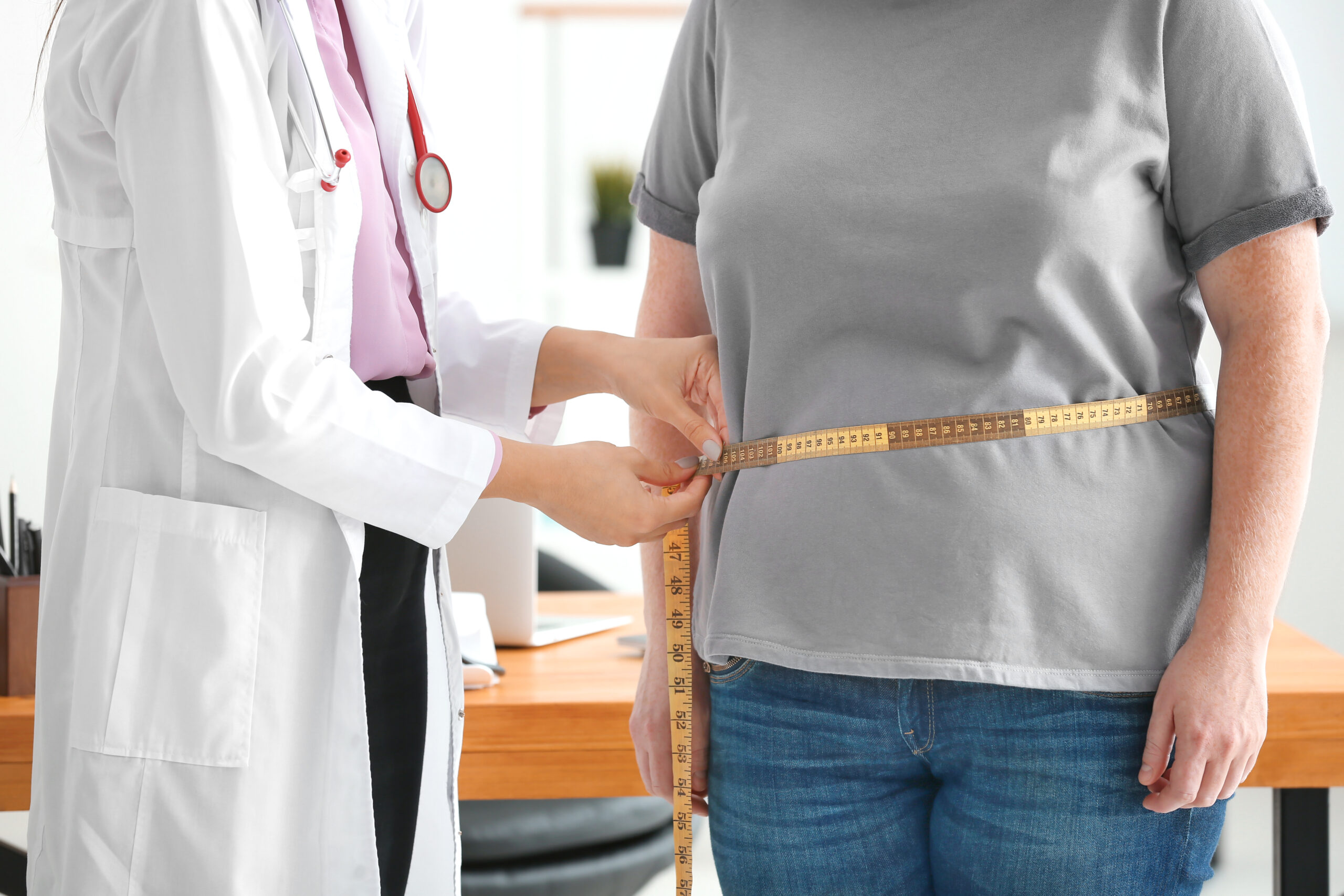
Obesity is a chronic disease in which excessive amounts of adipose tissue affect the functioning of the entire body and increase the risk of subsequent diseases. Its causes are complex – they include hormonal, metabolic, genetic factors, medications taken, sleep, stress, and eating habits – therefore treatment begins with diagnosis, not prescriptions. During the consultation, the doctor collects an interview, analyzes previous attempts to reduce body weight and test results, and assesses the presence of concomitant diseases.
The treatment plan includes dietary changes and lifestyle modifications, physical activity adapted to individual abilities and co-existing conditions, treatment of associated diseases, and – if indicated and without contraindications – pharmacotherapy under the supervision of a physician. In justified cases, we discuss indications for surgical treatment and refer the patient to a bariatric center. Regular follow-up visits are key – treating obesity is a process that takes months to complete.
Learn about the scope of diagnosis and care with obesity-related disease
First consultation and diagnosis
First consultation and diagnosis
The first visit is intended to understand your situation. The doctor asks about your weight history, past attempts to reduce it, and what has interrupted it; your daily routine, sleep, stress level, activity, chronic illnesses, and medications taken – including those that promote weight gain. He or she conducts a physical examination and analyzes the results provided. This conversation is the foundation of the treatment plan, because without it the plan would be a repetition of the recommendations you probably already know.
If the picture requires further investigation, the doctor will recommend tests: hormonal, carbohydrate and lipid metabolism tests, liver tests and other tests based on the interview. Their purpose is to check whether the weight gain is not due to a disease requiring separate treatment, and to assess whether the consequences of obesity have already appeared. The result of the visit is the diagnosis and planning of further treatment. It is advisable to bring the results of the tests from the last year and a list of all medications and supplements taken.
Treatment plan and change of habits
Treatment plan and change of habits
We establish the plan based on an assessment and what realistically can be maintained in your daily routine. Instead of a restrictive diet for a few weeks, we introduce changes that have the chance to last longer – because the effectiveness of obesity treatment is measured not by the rate of reduction but by the durability of the effect. We also discuss mechanisms that hinder persistence: the body’s response to energy deficiency, the impact of sleep and stress on appetite, and eating in response to emotions.
We choose the physical activity based on our capabilities and the comorbidities. In cases of joint strain, spinal pain, or cardiac problems, we establish safe forms for the joints and heart, and if necessary, we use orthopedic or cardiac consultations available at the facility. We modify the plan during subsequent visits because the body and life situation change during treatment.
Pharmacological treatment
Pharmacological treatment
Pharmacotherapy is one of the methods of treating obesity, used when it is indicated and there are no contraindications. The decision is made by the doctor after assessing the patient's health status, test results, co-existing diseases, and all medications taken.
Pharmacological treatment does not replace dietary management and activity, but complements them. It also requires conducting: tolerance assessments, monitoring tests, and dose modifications during regular visits. During consultations, we discuss the principles of use, possible side effects, the expected duration of treatment, and the follow-up after its completion. The medications used in the treatment of obesity are prescribed with a prescription and require medical supervision throughout the entire period of therapy.
Treatment of comorbid diseases
Treatment of comorbid diseases
Obesity is rarely a disease in itself. It is most often accompanied by insulin resistance, pre-diabetes, and type 2 diabetes, hypertension, lipid disorders, fatty liver, sleep apnea, and joint and spine problems. In women, the most common association is polycystic ovary syndrome, and in both sexes, hormonal disorders and infertility.
Because the treatment is provided by a specialist in diabetes and internal medicine, we diagnose and manage many of these conditions on-site. The remaining consultations – endocrinological, cardiology, orthopedic, or gynecological – as well as tests such as abdominal ultrasound, heart ECHO, and vascular examinations, will be performed in the same facility, without needing to schedule appointments at other centers.
Eligibility for surgical treatment
Eligibility for surgical treatment
In some cases, with advanced obesity and associated diseases, surgical treatment may be indicated. During the consultation, we discuss what bariatric surgery is, in what situations it is considered, what are its limitations, and what the preparation involves – because the decision to undergo the procedure requires prior diagnosis and the organization of treatment for co-existing diseases. The procedures are performed at the bariatric centers to which we refer.
Care after the procedure is equally important. Surgical treatment does not end obesity treatment – it requires a change in eating habits, control of deficiencies, monitoring tests, and regular visits. We also follow patients at this stage, even when their body weight starts to return after a certain period of time.
Check-ups and maintaining the effect
Check-ups and maintaining the effect
Treatment for obesity is a process spread over months, in which follow-up visits are just as important as the initial consultation. During these visits, we assess the effects of the previous treatment, repeat tests, check the tolerance of the treatment, and modify the plan. We also discuss what has hindered the implementation of recommendations – because weeks that are worse than expected are a normal part of treatment, not a reason to interrupt it.
Maintaining the effect is a separate stage. The body defends itself against it through hormonal mechanisms after weight loss; therefore, this period requires care, not its termination. We establish the rules for longer-term treatment and the frequency of further visits, which also include monitoring for any accompanying illnesses whose course usually changes during treatment.
First consultation and diagnosis
The first visit is intended to understand your situation. The doctor asks about your weight history, past attempts to reduce it, and what has interrupted it; your daily routine, sleep, stress level, activity, chronic illnesses, and medications taken – including those that promote weight gain. He or she conducts a physical examination and analyzes the results provided. This conversation is the foundation of the treatment plan, because without it the plan would be a repetition of the recommendations you probably already know.
If the picture requires further investigation, the doctor will recommend tests: hormonal, carbohydrate and lipid metabolism tests, liver tests and other tests based on the interview. Their purpose is to check whether the weight gain is not due to a disease requiring separate treatment, and to assess whether the consequences of obesity have already appeared. The result of the visit is the diagnosis and planning of further treatment. It is advisable to bring the results of the tests from the last year and a list of all medications and supplements taken.
Treatment plan and change of habits
We establish the plan based on an assessment and what realistically can be maintained in your daily routine. Instead of a restrictive diet for a few weeks, we introduce changes that have the chance to last longer – because the effectiveness of obesity treatment is measured not by the rate of reduction but by the durability of the effect. We also discuss mechanisms that hinder persistence: the body’s response to energy deficiency, the impact of sleep and stress on appetite, and eating in response to emotions.
We choose the physical activity based on our capabilities and the comorbidities. In cases of joint strain, spinal pain, or cardiac problems, we establish safe forms for the joints and heart, and if necessary, we use orthopedic or cardiac consultations available at the facility. We modify the plan during subsequent visits because the body and life situation change during treatment.
Pharmacological treatment
Pharmacotherapy is one of the methods of treating obesity, used when it is indicated and there are no contraindications. The decision is made by the doctor after assessing the patient's health status, test results, co-existing diseases, and all medications taken.
Pharmacological treatment does not replace dietary management and activity, but complements them. It also requires conducting: tolerance assessments, monitoring tests, and dose modifications during regular visits. During consultations, we discuss the principles of use, possible side effects, the expected duration of treatment, and the follow-up after its completion. The medications used in the treatment of obesity are prescribed with a prescription and require medical supervision throughout the entire period of therapy.
Treatment of comorbid diseases
Obesity is rarely a disease in itself. It is most often accompanied by insulin resistance, pre-diabetes, and type 2 diabetes, hypertension, lipid disorders, fatty liver, sleep apnea, and joint and spine problems. In women, the most common association is polycystic ovary syndrome, and in both sexes, hormonal disorders and infertility.
Because the treatment is provided by a specialist in diabetes and internal medicine, we diagnose and manage many of these conditions on-site. The remaining consultations – endocrinological, cardiology, orthopedic, or gynecological – as well as tests such as abdominal ultrasound, heart ECHO, and vascular examinations, will be performed in the same facility, without needing to schedule appointments at other centers.
Eligibility for surgical treatment
In some cases, with advanced obesity and associated diseases, surgical treatment may be indicated. During the consultation, we discuss what bariatric surgery is, in what situations it is considered, what are its limitations, and what the preparation involves – because the decision to undergo the procedure requires prior diagnosis and the organization of treatment for co-existing diseases. The procedures are performed at the bariatric centers to which we refer.
Care after the procedure is equally important. Surgical treatment does not end obesity treatment – it requires a change in eating habits, control of deficiencies, monitoring tests, and regular visits. We also follow patients at this stage, even when their body weight starts to return after a certain period of time.
Check-ups and maintaining the effect
Treatment for obesity is a process spread over months, in which follow-up visits are just as important as the initial consultation. During these visits, we assess the effects of the previous treatment, repeat tests, check the tolerance of the treatment, and modify the plan. We also discuss what has hindered the implementation of recommendations – because weeks that are worse than expected are a normal part of treatment, not a reason to interrupt it.
Maintaining the effect is a separate stage. The body defends itself against it through hormonal mechanisms after weight loss; therefore, this period requires care, not its termination. We establish the rules for longer-term treatment and the frequency of further visits, which also include monitoring for any accompanying illnesses whose course usually changes during treatment.
How Does it look like an obesity treatment?
From the first visit to subsequent check-ups, we guide you through the treatment at a predictable pace. At every stage, you know what tests to perform and when to return for your next appointment.
Make an appointmentMake an appointment
Book an appointment online through the booking system on the website or by phone at +48 604 451 759. Bring your test results from the last year and a list of all medications and supplements you are currently taking to your first visit.
Call: (+48) 604 451 759Consultation and diagnostics
The doctor collects the history, performs the examination and analyzes the results, and if necessary, suggests additional tests to determine the causes and check whether any consequences of the disease have occurred.
Treatment plan
You receive a plan that includes dietary management, activity adapted to your abilities, treatment for the accompanying diseases, and – if indicated – pharmacotherapy conducted under the supervision of a doctor.
Inspection visits
During subsequent visits, we assess the results, repeat the tests, and modify the plan. The care also includes the period after weight loss, when maintaining the achieved effect becomes the most important.
Check the advice, which we have prepared

Frequently asked questions
Answers to the questions that patients most often ask before starting treatment for obesity. In individual cases, the assessment by the doctor always determines the outcome.
The doctor diagnoses and treats obesity-related diseases and conditions that are associated with it – from hormonal disorders to diabetes and hypertension. He or she can order and interpret tests and, if indicated, initiate pharmacological treatment under his or her supervision. Nutritional counseling is an important component of treatment, but it does not include diagnosis or pharmacotherapy.
PTLO is a scientific society dealing with obesity-related diseases, which runs a program for certifying doctors. The document confirms completion of training and preparation to conduct treatment in accordance with current guidelines. Treatment at our facility is conducted by a doctor holding such a certificate.
Obesity is a chronic disease, so treatment takes months, and care also continues after the weight loss period has ended. The frequency of visits is determined individually – at first they are usually more frequent, then less frequent. The pace of changes depends on the causes of the disease, accompanying conditions, and the individual body's response, so the doctor discusses them during the consultation after conducting the diagnosis.
No. Pharmacotherapy is one of the methods used when it is indicated and there are no contraindications. In some patients, dietary management, physical activity, and treatment of associated diseases remain the basis of treatment. The decision is made by the doctor together with the patient after discussing all options.

Take the first step – make an appointment The Pink Medical Center
Choose a specialist and a convenient date. Book online or by phone, without unnecessary formalities. Take care of your health today!